
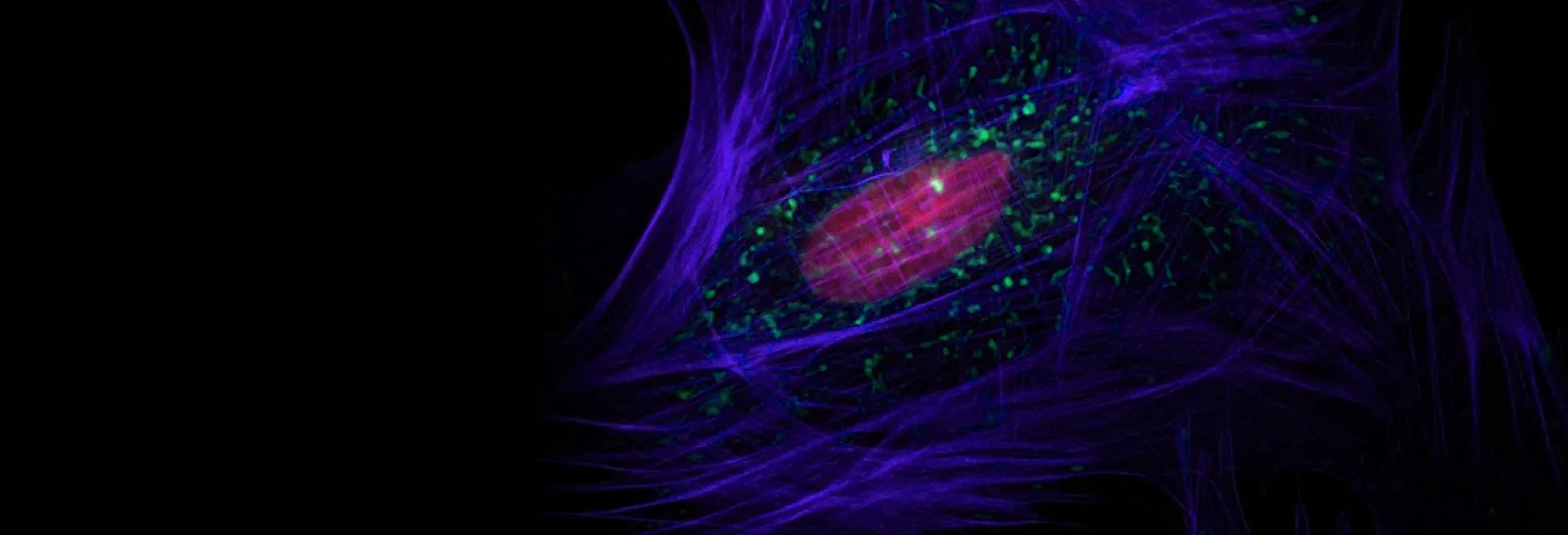
兔原代细胞
Rabbit Ependymal Cells
The ependyma is the epithelium covering the cerebral ventricles, midbrain aqueduct, and the central lumen of the spinal cord.
价格请询价查看详情
本分类收录的细胞产品与配套技术资料,支持按来源、物种与规格筛选。 共 55 个产品。
The ependyma is the epithelium covering the cerebral ventricles, midbrain aqueduct, and the central lumen of the spinal cord.
Glial cells are widely distributed in the central nervous system and are all cells except neurons
Rabbit Hippocampal Neurons Cells are suited for modeling memory formation, synaptic plasticity, and hippocampus-mediated learning processes.
The hypothalamus is a component of the diencephalon and is the center that regulates visceral and endocrine activities
Rabbit Lymphatic Endothelial Cells for studies in lymphatic vessel biology, fluid drainage, and immune regulation in vascular and immunology research.
Rabbit Lymphatic Fibroblast Cells support lymphatic biology studies, fibroblast function assays, and immune regulation models in rabbit tissue systems.
Explore Rabbit Meningeal Cells for cerebrovascular barrier modeling, inflammation studies, and research on meningeal-derived immune responses.
Microglia are distributed throughout the central nervous system and are the smallest glial cells in the central nervous system
Explore Rabbit Mononuclear Cells for phagocytosis, immune response, and disease immunity studies in pathogen invasion and tissue healing models.
Rabbit NK Cells offer a model for studying innate immunity, anti-tumor responses, viral defense, and immune dysregulation in hypersensitivity conditions.
Explore Rabbit Olfactory Ensheathing Cells for modeling axonal regeneration, olfactory repair, and synapse reformation in the central nervous system.
Rabbit Oligodendrocytes Cells support myelination studies, axonal conduction, and neuron–glia interactions for CNS development and repair modeling.
Rabbit Ovarian Granulosa Cells enable studies of folliculogenesis, hormone signaling, and fertility mechanisms in reproductive biology models.
Rabbit Peripheral Blood Mononuclear Cells (PBMCs) are isolated for immunology research, studying lymphocyte and monocyte functions in disease studies.
Rabbit Retinal Microvascular Endothelial Cells support retinal angiogenesis, barrier function, and microvascular biology; PECAM-1 and vWF positive.
Rabbit Retinal Pigment Epithelial Cells support ocular barrier research, phagocytosis assays, and CK-8–positive RPE function studies with >90% purity.
Rabbit Schwann Cells support peripheral nerve regeneration research, myelination studies, and Schwann cell biology in neurological disease modeling.
Rabbit Skeletal Muscle Cells from ImmunoClone, isolated from rabbit limb skeletal muscle, supporting diabetes, glucose metabolism, and muscle biology studies.
Rabbit spinal cord astrocytes are key to researching spinal injury, neurodegenerative diseases, gliosis, and glial cell function in the nervous system.
The spinal cord is part of the central nervous system and is located in the spinal canal, which is formed by the vertebrae.
Rabbit Spinal Neurons Cells support neurobiology on spinal circuitry, neurite outgrowth, synaptic activity, and injury or regeneration models in vitro.
Use Rabbit Spleen Derived Endothelial Progenitor Cells for angiogenesis, vascular repair, and immunological studies involving spleen-derived endothelium.
Rabbit Spleen Lymphocytes support immunology research, hematopoiesis studies, and immune surveillance investigations in rabbit disease models.
Leverage Rabbit Spleen Stromal Cells to study lymphoid architecture, immune cell support, and stromal–hematopoietic cell interactions and development.
共 55 个产品 | 第 2 / 3 页